
"banana farming"
900 article(s) found

Ethiopia Yega Xuefei is close to the floral taste and is wilder, sweeter and thicker than the coffee bean market.
Today, there are still a large number of wild Arabica coffee trees growing in many parts of Ethiopia, averaging between 4200 and 6800 feet above sea level. Now there is a trend of small cultivation, generally planting banana trees for shade at the same time, but due to lack of agricultural technology, herbicides and pesticides are less used. Coffee is Ethiopia's main economic crop and the largest in the country.
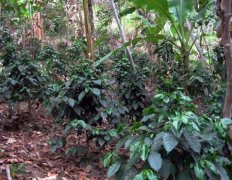
The production of coffee basic knowledge and high-quality coffee beans
Coffee trees take 3-5 years from planting to fruiting. 6-10 years of coffee trees are the most likely to bear fruit, about 15-20 years, is the harvest period. Coffee trees are usually bred in nurseries and grow into saplings, and then moved to coffee farms a year later, in full compliance with the way the Arabs planted and cultivated coffee trees. Coffee trees will continue to take root downward and upward in the first four or five years of their growth.

Why there is a unified cup to test the importance of the flavor wheel
My bazaar is in the northern part of Nicaragua (not related to Niagara Fall in North America) in Central America and Ocotal, the provincial capital of Nueva Segovia, bordering Honduras. February to April every year is the harvest season for high-quality coffee in Central America. The hard work of workers such as farms, processing plants, porters and harvesters over the past year has all been rewarded by these two months. For the sake of myself
Coffee beans History the birth of coffee beans
The lifetime of a coffee tree takes 3-5 years from planting to fruiting. 6-10 years of coffee trees are the most likely to bear fruit, about 15-20 years, is the harvest period. Coffee trees are usually bred in nurseries and grow into saplings, and then moved to coffee farms a year later, in full compliance with the way the Arabs planted and cultivated coffee trees. Coffee trees will continue to decline in the first four or five years of growth.
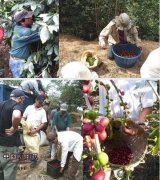
From the planting of coffee trees to the harvest of coffee beans, how to raise coffee trees
Coffee trees take 3-5 years from planting to fruiting. 6-10 years of coffee trees are the most likely to bear fruit, about 15-20 years, is the harvest period. Coffee trees are usually bred in nurseries and grow into saplings, and then moved to coffee farms a year later, in full compliance with the way the Arabs planted and cultivated coffee trees. Coffee trees will continue to take root downward and upward in the first four or five years of their growth.
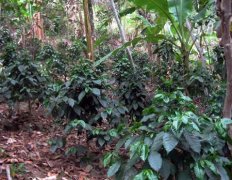
The general knowledge of fine coffee explains the production of coffee beans in detail.
Coffee trees take 3-5 years from planting to fruiting. 6-10 years of coffee trees are the most likely to bear fruit, about 15-20 years, is the harvest period. Coffee trees are usually bred in nurseries and grow into saplings, and then moved to coffee farms a year later, in full compliance with the way the Arabs planted and cultivated coffee trees. Coffee trees will continue to take root downward and upward in the first four or five years of their growth.

An introduction to the characteristics of the pure Ethiopian Sidamasha Chiso coffee flavor manor.
Coffee is Ethiopia's main economic crop and the country's largest crop export and important industry. It accounts for 60% of Ethiopia's total export value and supports many small farms, as well as sugar, bananas and cotton. It is also Ethiopia's largest and important commodity export crop after oil, and it is also the largest export of Elaraby in Africa, in 1997.

Record of Elean Elena Sun Coffee Bean Cup in High altitude Coffee Town of El Salvador
Professional barista exchanges please pay attention to the coffee workshop (Wechat official account cafe_style) El Elean Elena sun beans El Salvador is the smallest in Central America, the country's most densely populated country, most of the region's main crops are coffee beans, but do not forget its existence because of its mini, 60% of the coffee in El Salvador is Bourbon.
The birth of coffee beans (1) Coffee trees from planting to fruiting
Coffee trees take 3-5 years from planting to fruiting. 6-10 years of coffee trees are the most likely to bear fruit, about 15-20 years, is the harvest period. Coffee trees are usually bred in nurseries and grow into saplings, and then moved to coffee farms a year later, in full compliance with the way the Arabs planted and cultivated coffee trees. Coffee trees will continue to take root downward and upward in the first four or five years of their growth.
The birth of Fine Coffee Culture and Common sense Coffee beans
The lifetime of a coffee tree takes 3-5 years from planting to fruiting. 6-10 years of coffee trees are the most likely to bear fruit, about 15-20 years, is the harvest period. Coffee trees are usually bred in nurseries and grow into saplings, and then moved to coffee farms a year later, in full compliance with the way the Arabs planted and cultivated coffee trees. Coffee trees will continue to decline in the first four or five years of growth.

Cauca Province of Colombia | Meuca Manor Geisha Coffee | recommended coffee beans suitable for hand brewing
Professional coffee knowledge exchange more coffee bean information please follow the coffee workshop (Wechat official account cafe_style) Columbia Cauca Valley Mayuca estate geisha variety solarization (Colombia Valle del cauca Hacienda Mallorca Geisha Natural) flavor description: peach tea, pineapple, guava, delicate and changeable acidity, juicy feeling, red at the end

Characteristics of flavor and taste of coffee manor in Xidamasha Chiso region of Ethiopia
Coffee is Ethiopia's main economic crop and the country's largest crop export and important industry. It accounts for 60% of Ethiopia's total export value and supports many small farms, as well as sugar, bananas and cotton. It is also Ethiopia's largest and important commodity export crop after oil, and it is also the largest export of Elaraby in Africa, in 1997.

Colombian boutique manor coffee Cauca valley Mayuca manor geisha variety sun beans wind
Professional coffee knowledge exchange more coffee bean information please follow the coffee workshop (Wechat official account cafe_style) Colombian boutique manor coffee Cauca Valley Mayuca Manor Geisha varieties of flavor and taste characteristics? Flavor description: peach tea, pineapple, guava, delicate and changeable acidity, a sense of juice, the smell of brown sugar at the end, a long finish. Country of origin: Goran

Mayuca Manor in Cauca Valley, Colombia introduces what is the most popular variety of coffee grown in Cauca, Colombia.
Country: Colombia ((Colombia): Caucasidonia (Valle del Cauca) Manor: Hacienda Mallorca) Variety: Caturra altitude: average 1600 m treatment: sun treatment Flavor description: wine, sweet fruit notes, sugar fried chestnuts, brown sugar, orange peel aroma, sweet finish, smooth taste
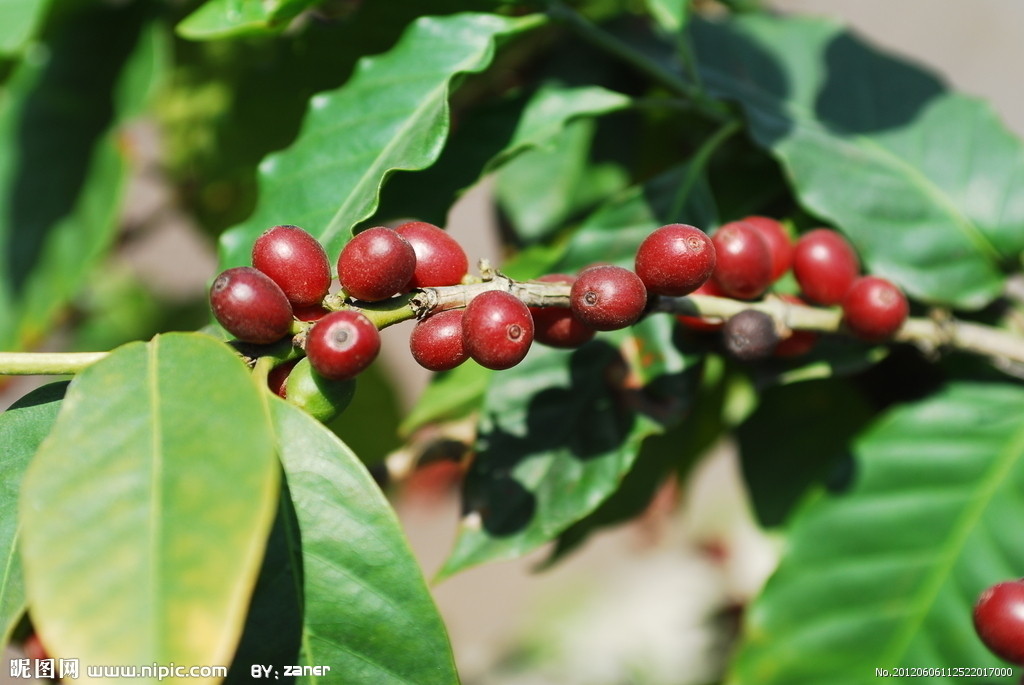
How long will it take for coffee to be planted before it can be harvested? The harvest from coffee tree planting to coffee beans is long.
Coffee trees take 3-5 years from planting to fruiting. 6-10 years of coffee trees are the most likely to bear fruit, about 15-20 years, is the harvest period. Coffee trees are usually bred in nurseries and grow into saplings, and then moved to coffee farms a year later, in full compliance with the way the Arabs planted and cultivated coffee trees. Coffee trees will continue to take root downward and upward in the first four or five years of their growth.

El Salvador coffee beans taste El Salvador Coffee Manor-Concordia Manor Harmony Farm
For the exchange of professional baristas, please follow the coffee workshop (Wechat official account cafe_style) El Salvador: Concordia Manor Sun Bean La Concordia H.I.U I mentioned earlier that Salvadoran coffee has always been one of my personal favorite coffee producing countries, and I have always liked the beans of Finca La Companula Estate very much, except him.
Home-baked boutique coffee (7) Guatemala
As the second most populous country in Central America after Mexico, Guatemala also ranks second in coffee production in China and the United States. Although it has been affected by political unrest for many years, the country once famous for Antigua tobacco coffee has no shortage of high-quality boutique coffee. More than half of the land of less than 110000 square kilometers is rich in coffee, coffee, sugar and bananas.

Introduction to the flavor and taste of washed Sidamo Coffee introduction of Sidamo Lion King Coffee producing area
Coffee is Ethiopia's main economic crop and the country's largest crop export and important industry. It accounts for 60% of Ethiopia's total export value and supports many small farms, as well as sugar, bananas and cotton. It is also Ethiopia's largest and important commodity export crop after oil, and it is also the largest export of Elaraby in Africa, in 1997.

Characteristics of manor treatment in Ecuadorian coffee producing area at the altitude of coffee planting in Ecuador
Professional coffee knowledge exchange more coffee bean information Please follow the coffee workshop (Wechat official account cafe_style) Ecuadorian coffee covers an area of 305.000 hectares, of which Arabigo coffee accounts for 68% and Robusta coffee accounts for 32%. Coffee, cocoa and banana are the three traditional crops of Ecuador, which are not only the source of farmers' income, but also for the country.

What does rose summer taste like? Costa Rica rose summer tastes good? The origin story of Candle Manor
Costa RicaCountry of origin: Costa RicaRegion of origin: Candle PlanetBean seed: Candle PlanetAltitude: 1750mRoasting degree: Light baking treatment: Washing treatmentFlavors reflect jasmine flowers, citric acid toning, fruit taste, middle honey sweetness, lingering green tea. Candle Manor gets its name because there are lots of little fireflies on this coffee farm.